I’m interested in photography, but I’m unsure whether I should study it. What could help me make that decision?
Photography is a hands-on degree program in which a lot of time is spent taking photographs, discussing photography, and overcoming technical and practical challenges. Assignments may be given at first, but as your studies progress, you will increasingly need to develop your own ideas and projects. Looking at magazines, exhibitions, and photobooks can help you discover what interests you most.
Should I study photography, communication design, or fine art instead?
Photography can actually be studied in very different ways. It is often part of other degree programs, such as communication design or fine art. At Folkwang, students work with several professors throughout their studies. You can focus entirely on photography while also exploring related fields. Both directions remain open to you: a stronger emphasis on applied photography or a freer, more artistic approach.
I’ve already completed vocational training as a photographer. Would I still learn anything in a degree program?
Excellent! Vocational training provides a strong technical and creative foundation and introduces the realities of working in photography. A degree program, however, allows for a much deeper engagement with photography, not only technically but also conceptually. Most importantly, all of this takes place within a collaborative environment. Discussing and reflecting on different photographic positions is a central part of our program. In addition, students engage with academic subjects, especially the theory and history of photography.
Should I choose an art academy or a university of applied sciences?
Programs at universities of applied sciences tend to focus more on practical applications, while programs at art academies are generally more open and self-directed. Compared to other art academies, Folkwang offers a special advantage: there are no fixed classes. Students have the opportunity to study with any of the six professors in the photography department, according to their own interests.
Why study in Essen?
Essen may not sound especially exciting at first, but it has a great deal to offer. The city has a lively cultural scene with many institutions and independent art spaces. Our university building, Quartier Nord, is located on the Zollverein campus, a UNESCO World Heritage Site, and the internationally renowned Museum Folkwang is one of our closest partners. Essen is also exceptionally well connected by train: Cologne and Düsseldorf, as well as Amsterdam and Paris, can all be reached within a short time. In addition, the surrounding area offers exciting museums, theaters, clubs, and a surprisingly diverse landscape.
Why is there an entrance examination?
Artistic aptitude is required in order to complete the program successfully, and this is what the entrance examination is designed to assess. Artistic aptitude should not be understood as a fixed personality trait that someone either has or does not have; it develops through both talent and practice. If you are genuinely interested in photography, you are expected to invest a significant amount of time in it. The application process also gives you the opportunity to find out whether you can imagine studying with these instructors.
How is my portfolio evaluated?
We want to understand what sparks your curiosity, what matters to you, which subjects you engage with, how you look at the world, what you notice, and how all of this is expressed through your images. In short, the portfolio is evaluated with regard to your ability to perceive, imagine, and represent ideas visually.
I’m unsure what should go into my portfolio. Who can help me?
The best approach is to visit Essen before applying and talk with us about the program, the application process, and your portfolio. Appointments can be arranged through the examination office of the Department of Design. Paid preparatory courses are not necessary.
Does my portfolio need a consistent theme throughout?
The structure of your portfolio depends on your interests. There is no formula that guarantees success. Strong individual images can certainly be included, but we also want to see what happens when you pursue a particular interest and develop a series of images around it. Which people, places, and events matter most to you? These photographs may also be created over a longer period of time. Short explanations or image titles may be included, but they are not required.
What exactly should the portfolio look like, and when and where should it be submitted?
All information about the portfolio can be found on our website under »Apply Now!«
Where can I find more information?
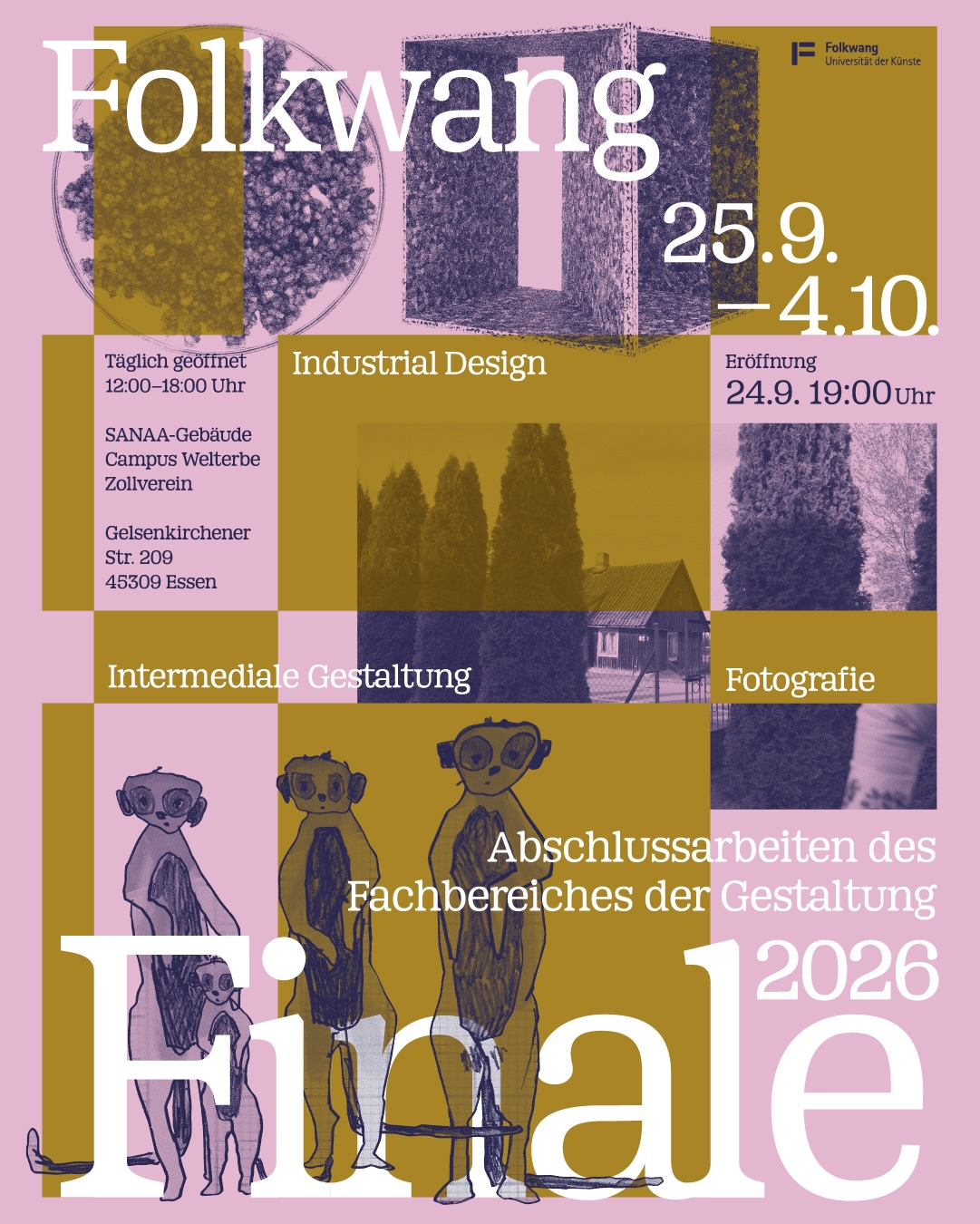
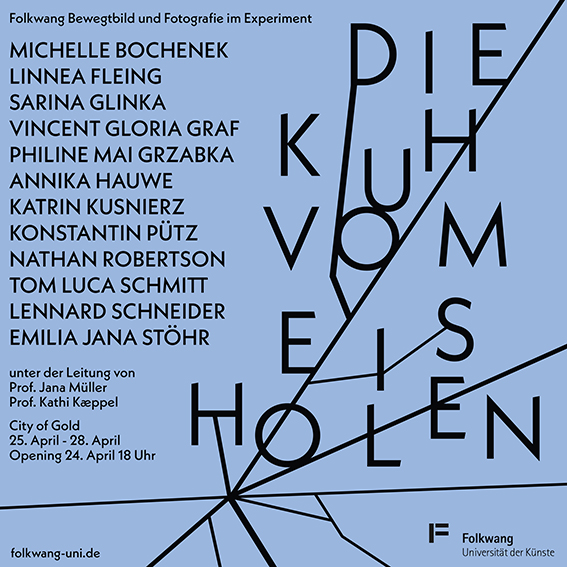
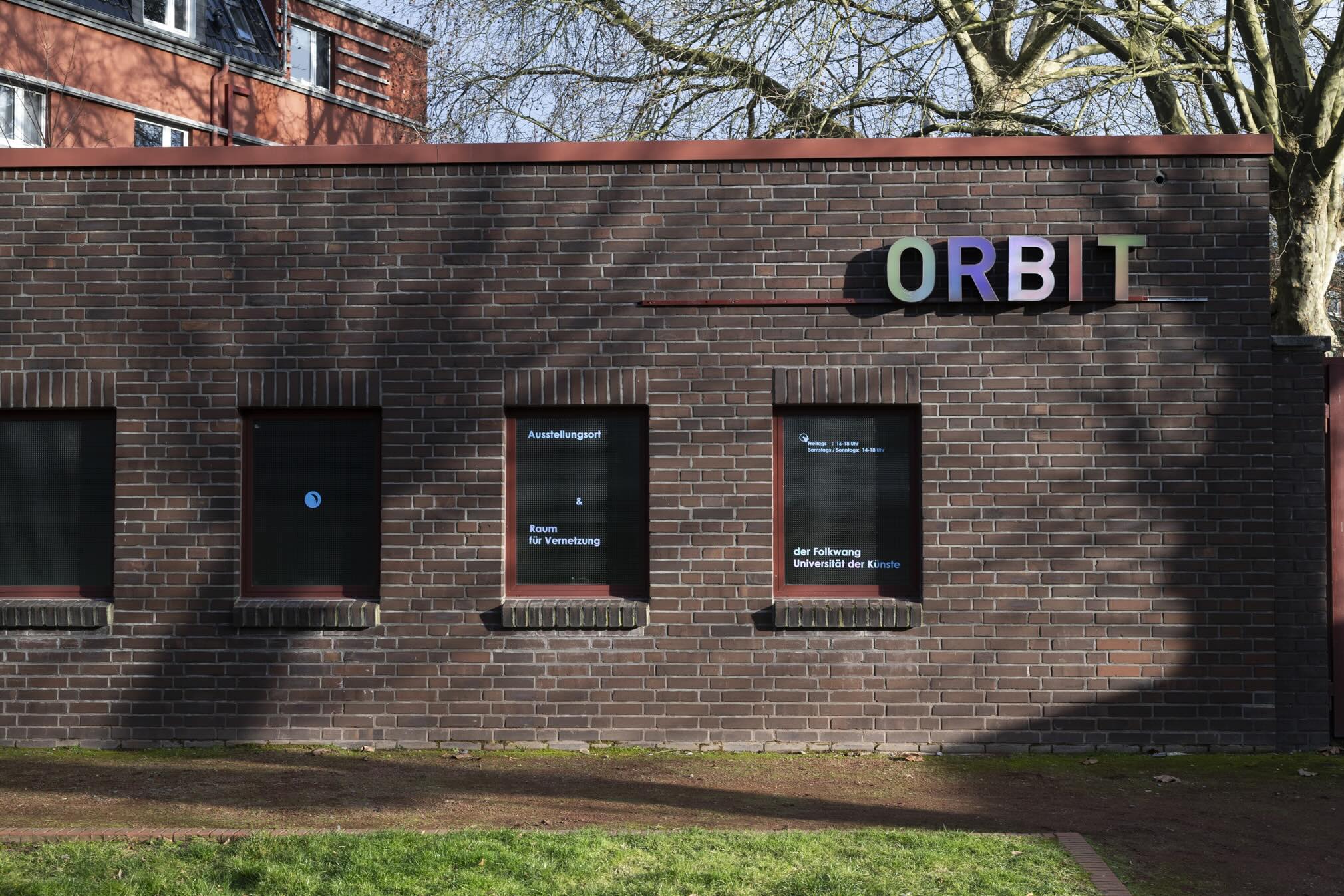
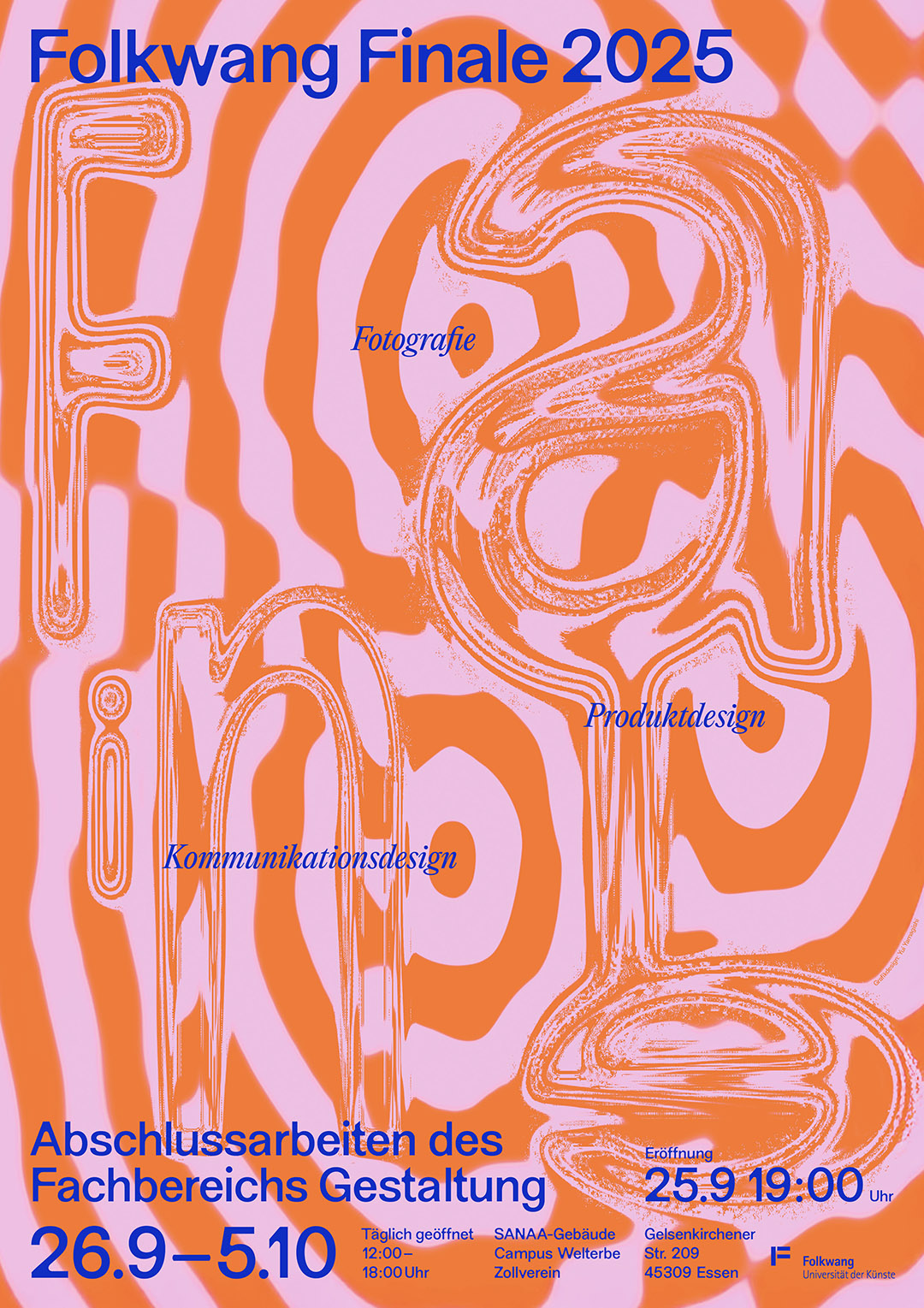
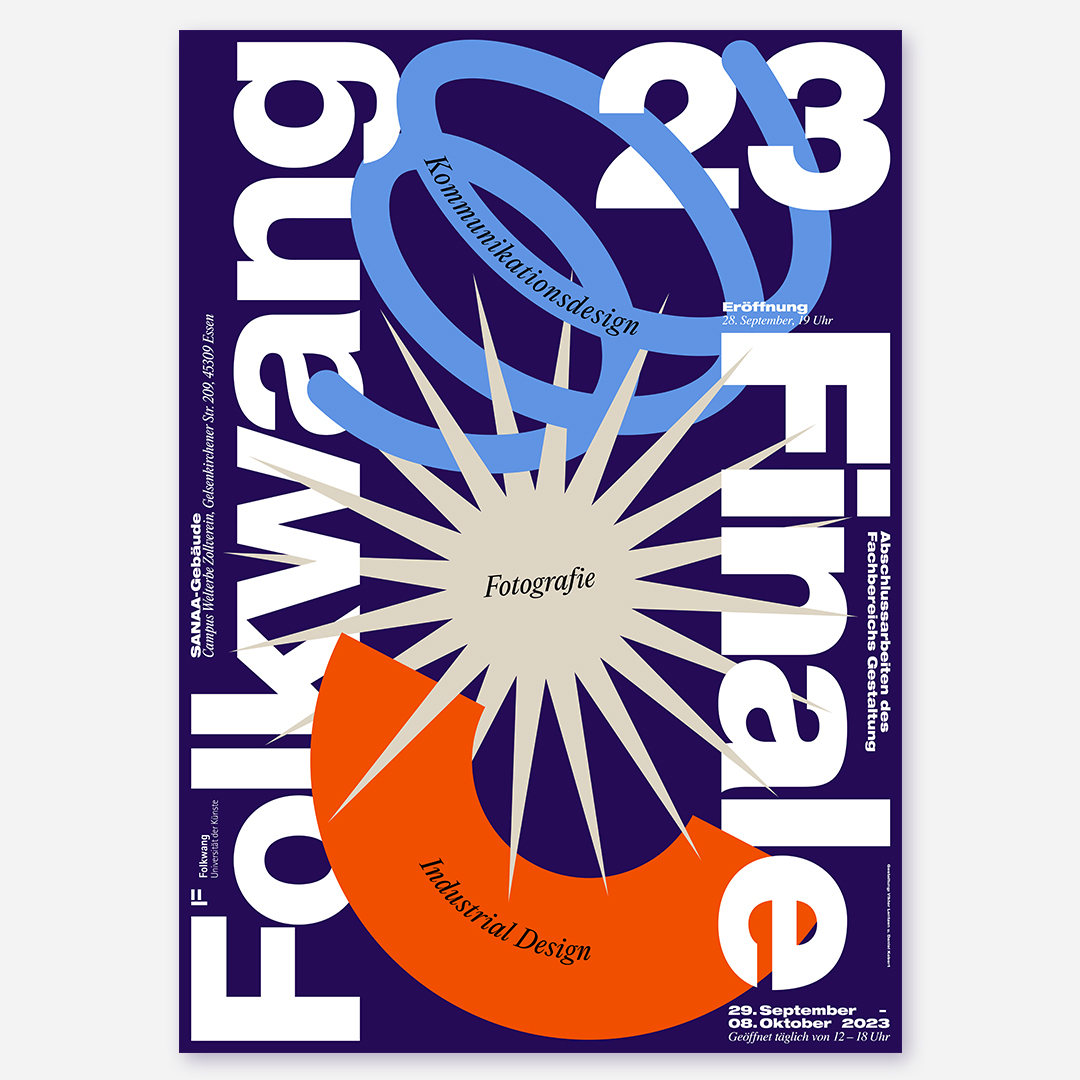
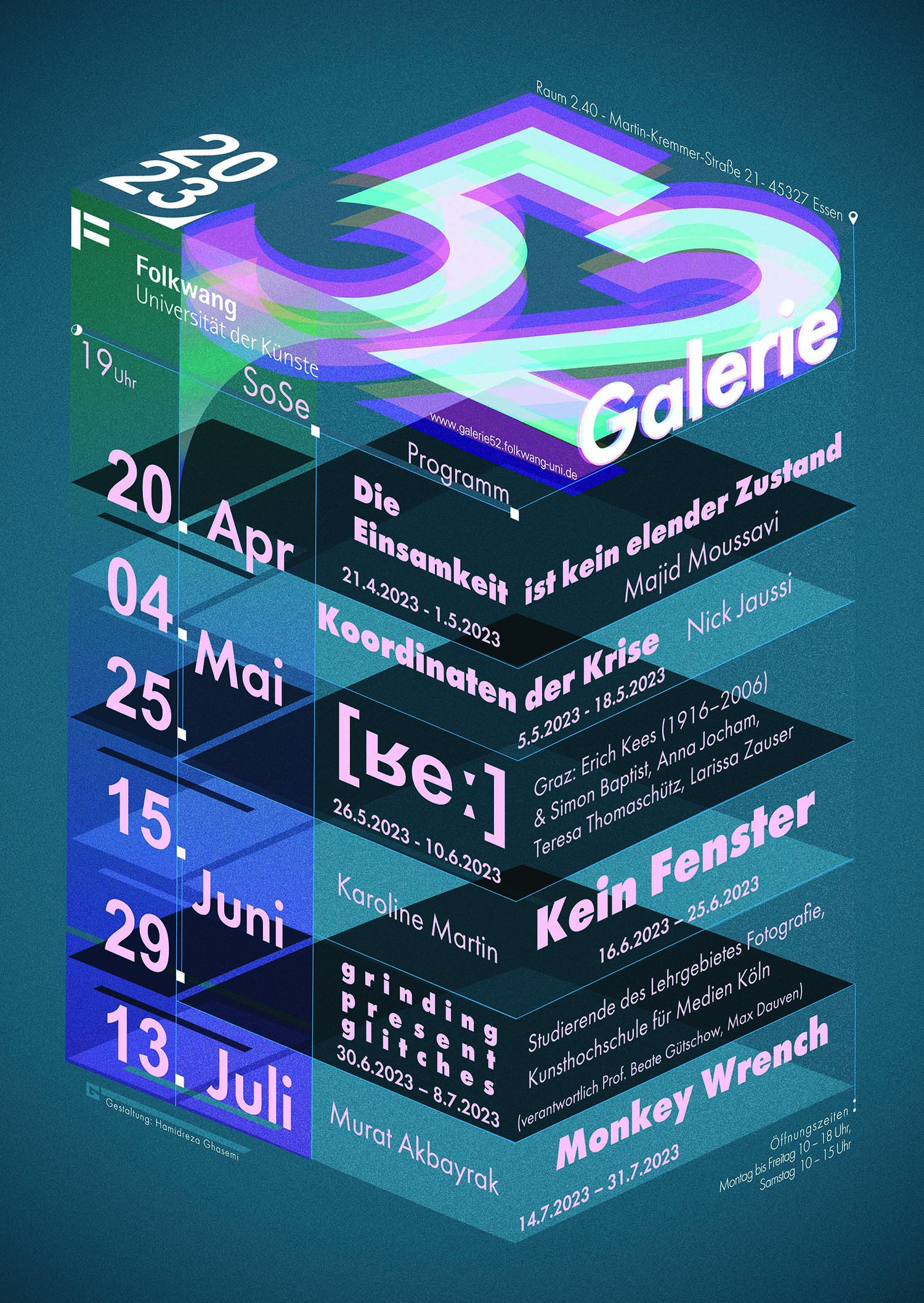
Exhibitions by current students and graduates regularly provide a good impression of what is happening in photography at Folkwang. In mid-July, the Department of Design hosts the annual open studios exhibition, where many student works are presented and conversations with students are easy to start. At the end of September, the Finale exhibition takes place in the SANAA building and showcases graduate projects. The best way to stay informed is to follow us on Instagram and visit this website regularly.
What do Folkwang graduates do after completing their studies?
There is no single predefined career path, but there are many possibilities. Specific interests often become clearer during the course of study, and first professional contacts and jobs are frequently established while still studying. Some alumni work in the traditional sense as freelance photographers or artists, while others work in applied fields for companies, institutions, agencies, and magazines. Some combine grants, scholarships, and commissions in the cultural sector to support themselves financially. Others continue with a master’s degree, often at Folkwang itself. Career opportunities can also be found in picture editing departments, publishing houses, museums, and with other photographers, for example in post-production.